
The grit size of abrasive media determines how aggressive the blasting process is and how smooth or rough the finished surface will be. Coarse grits strip away coatings and rust quickly, while finer grits create polished finishes ideal for coating adhesion. Across Alberta, Greystone Blasting uses a full range of media and grit sizes to deliver precision surface preparation for metal, concrete, wood, and restoration projects.
What Is Grit Size in Abrasive Blasting
Grit size measures the coarseness of abrasive particles and directly affects removal rate and surface texture. Lower grit numbers represent larger particles that remove coatings fast but leave a rough profile. Higher grit numbers represent smaller particles that clean with greater control, producing smoother results. Selecting the correct grit ensures efficient surface prep, proper coating adhesion, and minimal material damage.
Grit Size Ranges and Their Effects
Each grit range creates a different balance between speed and surface smoothness.
| Grit Range | Resulting Finish | Best Use |
|---|---|---|
| 12–36 (Coarse) | Deep anchor profile, rough surface | Removing rust, epoxy, or thick coatings from steel and concrete |
| 40–80 (Medium) | Balanced texture, even finish | General cleaning, paint prep, and light corrosion removal |
| 100–220 (Fine) | Smooth surface, minimal profile | Polishing, refinishing, or prepping delicate materials |
Coarse grits deliver faster removal rates and deeper anchor patterns, while medium and fine grits balance cleaning power with a smoother, more uniform finish.
Common Media Types and Their Characteristics
Different abrasive materials interact with grit size in unique ways:
Aluminum oxide: Hard, angular, and highly durable. It provides aggressive removal and deep profiling for steel and iron surfaces.
Crushed glass: Sharp and low-dust, ideal for removing coatings or contaminants from concrete and metal while maintaining a consistent texture.
Steel shot and grit: Heavy metallic media that delivers powerful impact energy, often used for peening and structural steel applications.
Walnut shells or corn cob: Lightweight organic media perfect for cleaning wood, fiberglass, and delicate composites without scratching or distortion.
How Grit Size Impacts Surface Preparation
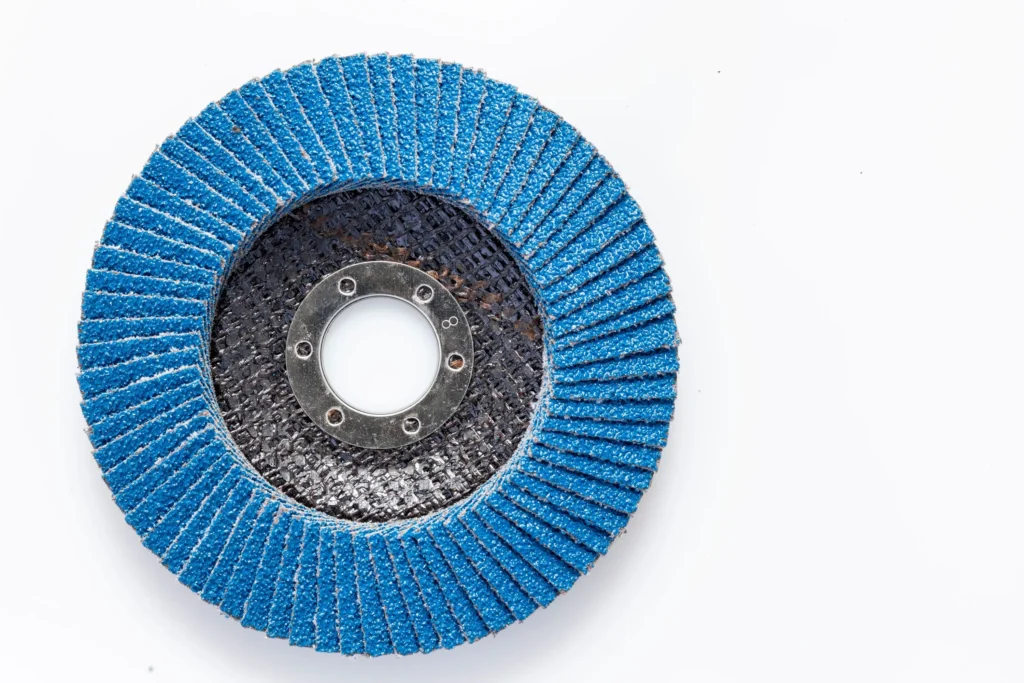
The chosen grit size influences both removal efficiency and coating adhesion:
Coarse grits (24–36): Create deep anchor profiles of 3–5 mils, best for epoxy and industrial coatings.
Medium grits (60–80): Remove coatings cleanly while leaving a consistent texture ready for repainting.
Fine grits (120–220): Deliver smooth, polished finishes suitable for final surface conditioning before painting or sealing.
Matching Grit and Media to the Application
The best combination of grit size and media depends on surface hardness, coating thickness, and finish goals.
Rust or heavy coating removal: Coarse aluminum oxide or garnet blasting achieves full stripping and adhesion readiness.
Concrete or steel prep: Medium crushed glass provides an even, controlled surface profile.
Automotive restoration: Fine glass bead or walnut shell media restores parts gently while preserving surface details.
Wood and delicate surfaces: Soda or organic abrasives clean safely without surface damage.
You can see these techniques applied in concrete surface prep in Edmonton, automotive restoration blasting, and log home sandblasting.
Environmental and Efficiency Considerations
Each abrasive type has its own impact on efficiency and sustainability. Recyclable media like steel shot and aluminum oxide can be reused multiple times, reducing overall waste. Crushed glass and organic abrasives are biodegradable and non-toxic, making them safer choices for outdoor or restoration projects. Greystone Blasting maintains dust containment and waste-control systems that meet Alberta’s environmental standards to ensure safe and compliant job sites.
How Greystone Blasting Selects the Right Combination
Every project begins with an evaluation of surface condition, coating type, and finish requirements. Greystone Blasting’s mobile units carry a variety of abrasive types and grit sizes, allowing technicians to adjust pressure and media on-site for ideal results. This approach ensures consistent quality whether working on heavy industrial equipment, steel structures, or detailed restoration surfaces.
For more information or to request a tailored quote, contact our team today.