Concrete surfaces often require coating removal to restore performance, appearance, or prepare for new finishes. Sealers, epoxy coatings, and embedded stains can prevent adhesion and hide surface defects if not removed properly. For projects where surface integrity and finish quality matter, Greystone Blasting provides controlled concrete blasting methods that remove coatings without compromising structural strength.
Why Coatings Must Be Removed Properly
Concrete coatings bond tightly to the surface and penetrate pores over time. Improper removal methods can scar the slab, weaken the surface profile, or leave residues that interfere with re coating. Mechanical grinding and harsh blasting often create uneven surfaces or micro cracking that affects long term performance.
Professional blasting removes coatings evenly while preserving the concrete’s structural integrity and surface consistency.
Media and Grit Selection for Concrete Blasting
Effective concrete blasting depends on matching media type and grit size to the coating being removed. Softer media may be used for thin sealers or light surface cleaning, while harder media with controlled grit sizes are selected for thick epoxy or industrial coatings.
Grit selection is adjusted to achieve sufficient surface profile without over etching. This balance allows coatings to be removed while leaving the concrete ready for refinishing or sealing.
Removing Sealers, Epoxy, and Surface Stains
Different contaminants require different blasting strategies. Sealers are typically removed with lighter abrasion to reopen surface pores. Epoxy coatings often require additional passes with carefully selected media to break the bond without damaging the slab. Oil and chemical stains embedded in concrete may require targeted blasting to lift contaminants from the surface.
Each removal approach is tailored to coating thickness, age, and concrete condition to ensure effective results.
Preparing Concrete for Re Coating and Finishing
Proper blasting creates a clean, textured surface that supports strong adhesion for new coatings. Whether preparing for epoxy flooring, protective sealers, or decorative finishes, surface profile consistency is critical. Blasting removes residues that can cause peeling, bubbling, or premature coating failure.
Clean preparation also allows installers to identify cracks, surface defects, or moisture issues before re coating begins.
Exposing Aggregate for Decorative Concrete Finishes
Concrete blasting can also be used to expose aggregate for decorative or architectural finishes. Controlled blasting reveals stone and texture without compromising slab thickness or strength. This process is commonly used for feature floors, walkways, and commercial interiors where appearance and durability are equally important.
Exposure depth is adjusted based on design goals and aggregate size to maintain uniform visual results.
Structural Integrity and Surface Protection
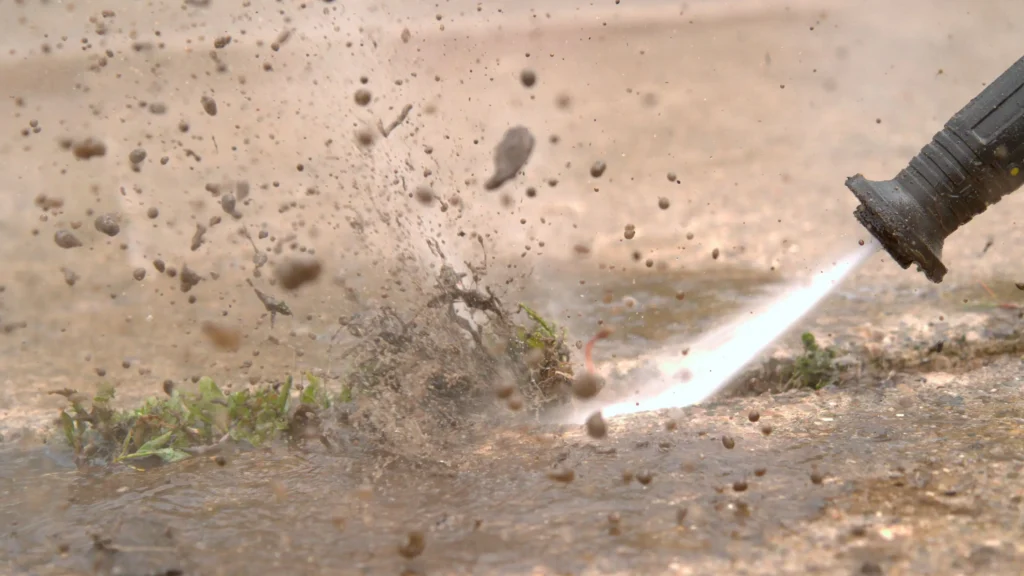
Maintaining structural integrity is a priority during concrete blasting. Proper pressure control and media selection prevent surface weakening and ensure load bearing properties remain intact. This is especially important in commercial and industrial environments where floors experience heavy traffic and equipment loads.
Professional blasting focuses on controlled surface removal rather than aggressive material loss.
Applications for Concrete Blasting
Concrete blasting is suitable for a wide range of applications, including:
Removal of sealers and epoxy coatings prior to re coating
Cleaning oil stained or contaminated concrete surfaces
Preparing concrete for new flooring systems
Exposing aggregate for decorative or architectural finishes
Each project is evaluated to determine the safest and most effective blasting approach.
Request Concrete Blasting Services
For concrete blasting that removes sealers, epoxy, and stains while preserving surface strength, reach out to professional concrete blasting specialists to review your project requirements and surface conditions. To discuss timelines, scope, and pricing, submit your details through their project estimate request form and a technician will follow up.