Brick and masonry surfaces require careful cleaning to maintain structural integrity and visual consistency. Improper methods can chip brick faces, erode mortar joints, or permanently alter surface texture. For projects where preservation and surface stability matter, Greystone Blasting applies controlled cleaning techniques designed to remove contaminants while protecting masonry materials.
Why Masonry Is Vulnerable to Improper Cleaning
Brick, stone, and mortar vary widely in hardness and age. Excessive pressure or aggressive media can quickly damage softer masonry units or weaken mortar joints. Once damaged, masonry surfaces are difficult and costly to repair, especially on visible facades or structural walls.
Avoiding damage requires understanding material condition and selecting methods that clean without cutting into the surface.
Correct Pressure Control for Masonry Cleaning
Pressure settings play a critical role in safe masonry cleaning. Lower pressure levels reduce the risk of surface erosion while still allowing effective removal of dirt, paint, or biological growth. Pressure is adjusted based on brick density, mortar condition, and the type of contamination present.
Nozzle Distance and Technique
Maintaining proper nozzle distance helps distribute force evenly across the surface. Holding the nozzle too close concentrates impact energy and increases the risk of etching or chipping. Consistent movement and even passes prevent localized wear and surface inconsistencies.
Experienced operators adjust distance and angle throughout the cleaning process to protect both brick faces and mortar joints.
Media Selection for Brick and Mortar Protection
Media choice determines how material interacts with the masonry surface. Soft or low impact media options are used to lift contaminants rather than abrade the brick itself. Media hardness is matched to masonry strength to ensure coatings and stains are removed without degrading surface texture.
Avoiding Mortar Loss and Surface Etching
Mortar joints are often softer than brick units, especially in older or heritage structures. Improper cleaning can remove mortar, leading to water infiltration and structural concerns. Safe cleaning techniques prioritize joint preservation and avoid prolonged exposure in any single area.
Surface etching is prevented through controlled passes and careful monitoring during the cleaning process.
Applications for Safe Brick and Masonry Cleaning
Controlled masonry cleaning methods are suitable for a variety of situations, including:
Heritage buildings requiring surface preservation and minimal material removal
Graffiti removal without damaging brick faces or mortar joints
Fire damage cleanup where soot and residue must be removed carefully
Commercial and residential masonry restoration projects
Each application is evaluated individually to determine the safest and most effective cleaning approach.
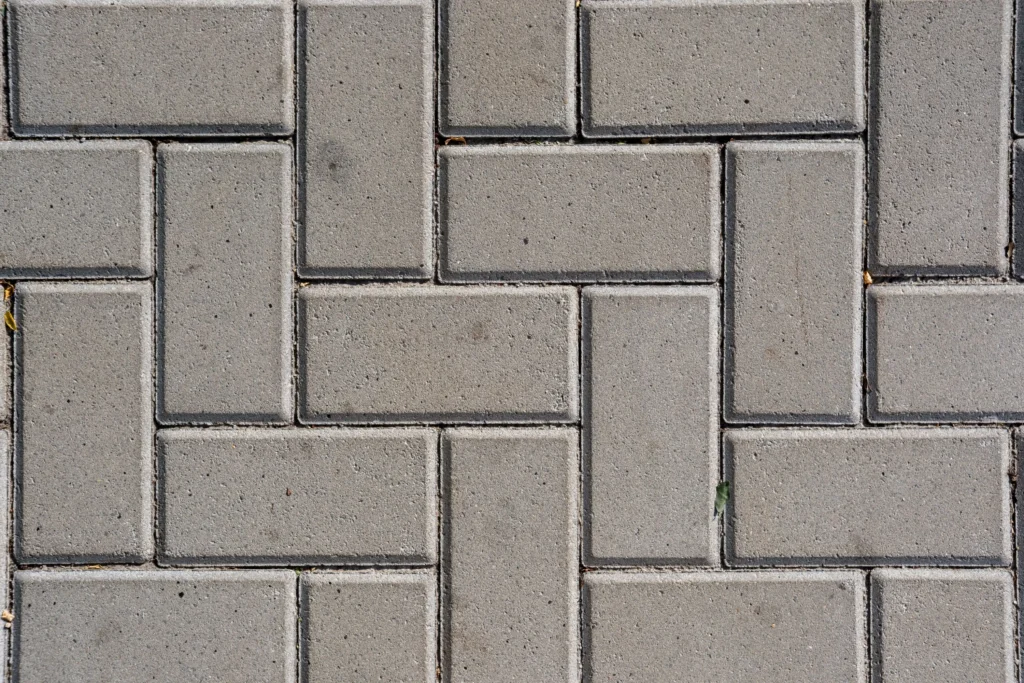
Masonry Cleaning for Restoration and Long Term Performance
Proper masonry cleaning restores appearance while supporting long term durability. By avoiding surface damage, masonry retains its protective qualities and visual consistency. Clean, undamaged surfaces are also better prepared for repointing, sealing, or protective treatments when required.
Controlled cleaning helps extend the service life of masonry structures.
Request Brick and Masonry Cleaning Services
For brick and masonry cleaning that removes contaminants while protecting surface integrity, work with experienced masonry cleaning professionals to evaluate your project requirements. To discuss scope, timelines, or restoration goals, submit details through their service consultation request form and arrange an estimate.