Good surface preparation sets the foundation for successful blasting. When preparation steps are rushed or ignored, coatings fail early, profiles look inconsistent, and surfaces need expensive rework. By understanding common mistakes and how to avoid them, homeowners and contractors can achieve cleaner results, stronger adhesion, and longer lasting finishes.
Why Proper Surface Preparation Matters
Blasting removes rust, paint, and surface contaminants, but it only performs well when the surface is prepared correctly. Proper preparation creates a uniform anchor pattern, improves coating bond strength, and reduces the risk of premature peeling. When preparation work is done with care, the blasting stage becomes faster, cleaner, and more consistent.
Failing to Mask or Protect Sensitive Areas
Masking protects surrounding areas from abrasive impact. When masking is incomplete, nearby hardware, windows, electrical fixtures, and trim can suffer unnecessary damage. This often leads to extra cleanup or repair work.
To avoid this problem, all sensitive areas should be covered tightly using tape, protective film, cardboard, or specialty shielding. Crews who handle blasting regularly, such as professional blasting contractors in Edmonton, always inspect the setup carefully before starting.
Choosing the Wrong Blasting Media
Media selection plays a major role in the final finish. Hard media can cut aggressively and remove heavy coatings, while softer media offers a gentler clean that protects delicate surfaces. Using the wrong media creates problems such as gouging, inadequate profiling, or wasted blasting time.
By choosing media that matches the substrate and the coating requirements, teams achieve better adhesion and a cleaner profile. Media size also matters because it affects texture and consistency.
Blasting Wet, Damp, or Contaminated Surfaces
Moisture and surface contamination interfere with blasting. Damp surfaces cause media to clump, reducing impact strength. Contaminants like grease, salt, and dirt spread across the surface during blasting and create weak points in the final coating.
Before blasting, the surface should be dry, cleaned, and free from residue. This preparation step improves the quality of the anchor profile and helps coatings bond properly.
Skipping the Cleaning and Degreasing Phase
Cleaning removes oils, dust, and debris that blasting alone cannot eliminate. When this step is skipped, contaminants spread across the substrate and weaken the profile. As a result, coatings may not bond well and may fail early.
Effective cleaning involves using detergents or solvents that match the surface type. After cleaning, the substrate must dry completely before blasting begins.
Ignoring Surface Temperature and Environmental Conditions
Temperature and humidity affect blasting performance. When the surface is close to the dew point, condensation forms and causes flash rust or moisture pockets. In cold conditions, drying times increase and coating materials behave differently. Hot temperatures can also create excess dust and reduce efficiency.
Monitoring temperature, humidity, and dew point helps teams plan the work more efficiently. This awareness also protects the profile from early rusting or contamination.
Rushing the Inspection Process
Inspection ensures the surface is ready for coating. When this step is rushed, issues such as uneven profile depth, missed contaminants, or embedded abrasive remain unnoticed. These problems reduce adhesion and create flaws in the finished coating.
Inspectors should look for uniform texture, clean surfaces, consistent passes, and correct profile depth. Taking a few minutes to inspect thoroughly prevents costly rework later.
Post Blast Inspection Standards and Quality Checks
A detailed post blast inspection confirms that the surface meets the expected standard. Bright lighting helps reveal shadowed areas, while replica tape or depth gauges confirm accurate profile depth. A white rag test checks for loose dust that could interfere with coating bond strength.
These inspections guide crews before the coating stage and ensure that the surface is clean, uniform, and ready for the next step.
Common Surface Preparation Mistakes and Correct Approaches
| Mistake | Why It Causes Problems | Correct Approach |
|---|---|---|
| Poor masking or insufficient protection | Damages nearby surfaces or hardware | Cover all sensitive areas and inspect masking before blasting |
| Wrong blasting media | Leads to improper profiling or substrate damage | Select media based on hardness, size, and coating requirements |
| Blasting wet or contaminated surfaces | Creates weak adhesion and uneven profiles | Dry and clean surfaces thoroughly before blasting |
| Skipping cleaning and degreasing | Spreads contaminants and weakens the profile | Use proper cleaning agents before blasting |
| Ignoring dew point and temperature | Causes condensation and flash rust | Keep the surface warm, dry, and above dew point levels |
| Rushed inspection | Misses defects that affect coating durability | Perform visual checks, profile tests, and dust checks |
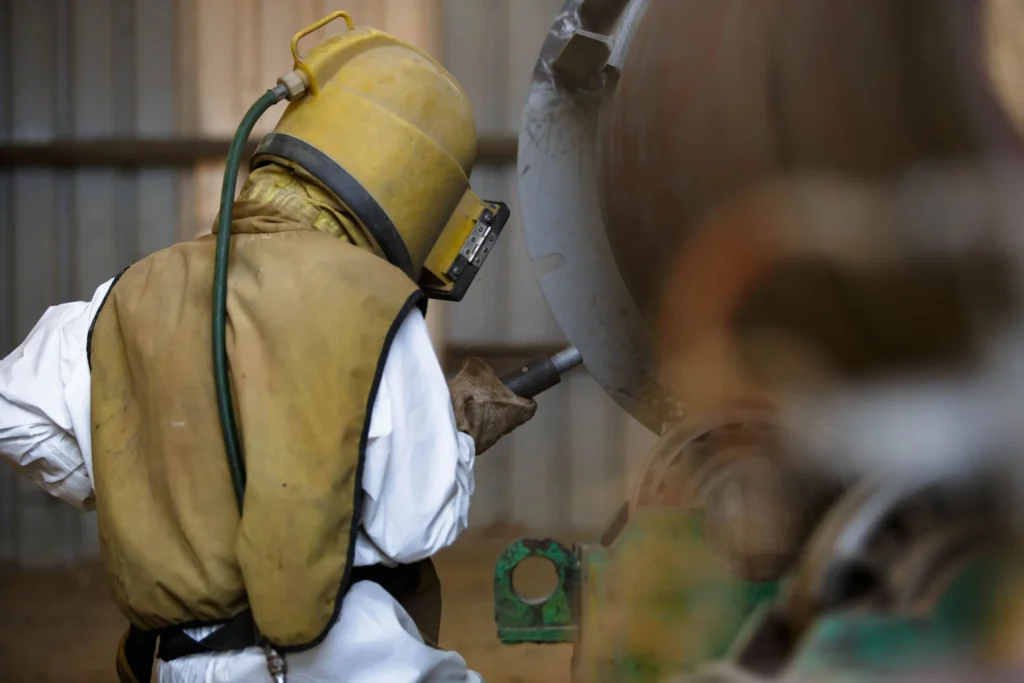
Tips for Ensuring Strong Adhesion After Blasting
Strong adhesion begins with a clean and properly profiled surface. To maintain quality after blasting:
• Confirm profile depth before coating
• Keep hands, dust, and debris away from blasted areas
• Control airflow and humidity to protect the profile
• Apply primer or protective coating as soon as possible
Many clients choose professional blasting contractors in Edmonton to complete blasting and coating in one workflow, which reduces contamination risks and improves finishing consistency.
When to Call a Blasting Specialist
Certain surfaces require skill and experience. Complex substrates, industrial steel, heavy rust, or large exterior projects often need expert handling. Specialists understand the correct preparation steps, media selection, and inspection methods that lead to long lasting results.
If you need guidance or want to ensure proper preparation, you can contact Greystone Blasting for support or scheduling.